In industrial biomass recycling projects, moisture management is one of the most underestimated factors affecting production efficiency and profitability. Many operators directly feed fresh wood, wet coconut shells, agricultural residues, or other high moisture materials into carbonization systems without proper pretreatment. This practice often results in unstable operation, lower carbon yield, and significantly higher fuel consumption. During the carbonization process, the equipment must spend a large amount of thermal energy removing water before the actual conversion of biomass can begin. For investors, engineering contractors, and recycling plant operators, controlling feedstock moisture is not simply a technical adjustment but a critical strategy for reducing operating expenses and improving production performance. Proper drying before carbonization can help achieve more stable thermal conditions, increase output quality, and reduce unnecessary energy waste. By separating the drying stage from the carbonization process and applying waste heat recovery technology, modern biomass recycling facilities can create a more efficient energy cycle. This approach provides a practical solution for large-scale biomass processing plants seeking lower costs and higher resource utilization.
Why High Moisture Content Creates Excessive Energy Consumption
Water contained in biomass directly affects the energy balance of a carbonization system. Before biomass can reach the required carbonization temperature, the equipment must first evaporate the internal moisture. The evaporation process requires substantial latent heat, meaning a significant portion of the supplied energy is consumed without contributing to carbon production. When wet materials enter the furnace, the system loses thermal efficiency because more energy is diverted toward moisture removal rather than biomass conversion.
For industrial operators, every additional increase in moisture content creates additional pressure on heating systems. Materials such as fresh wood chips, wet agricultural residues, and coconut shells can contain high levels of water after collection or transportation. Without effective pretreatment, carbonization equipment must operate with longer heating periods and increased fuel input. This reduces production efficiency while increasing operational costs throughout the plant lifecycle.
The Relationship Between Moisture Reduction and Carbon Yield
Feedstock moisture has a direct influence on final product quality and production stability. Excess water inside biomass can interrupt temperature control during carbonization, causing uneven heat distribution and inconsistent carbonization results. As a result, operators may experience lower carbon yield, longer processing cycles, and reduced commercial value of the final carbon products.
Industrial biomass processing facilities generally aim to reduce raw material moisture to an appropriate level before entering the carbonization stage. In many applications, controlling moisture content below 15% helps create better thermal efficiency and more predictable operation. This requirement highlights the importance of using dedicated drying systems instead of relying on carbonization equipment to handle both drying and conversion simultaneously.
Why Drying and Carbonization Should Be Separated
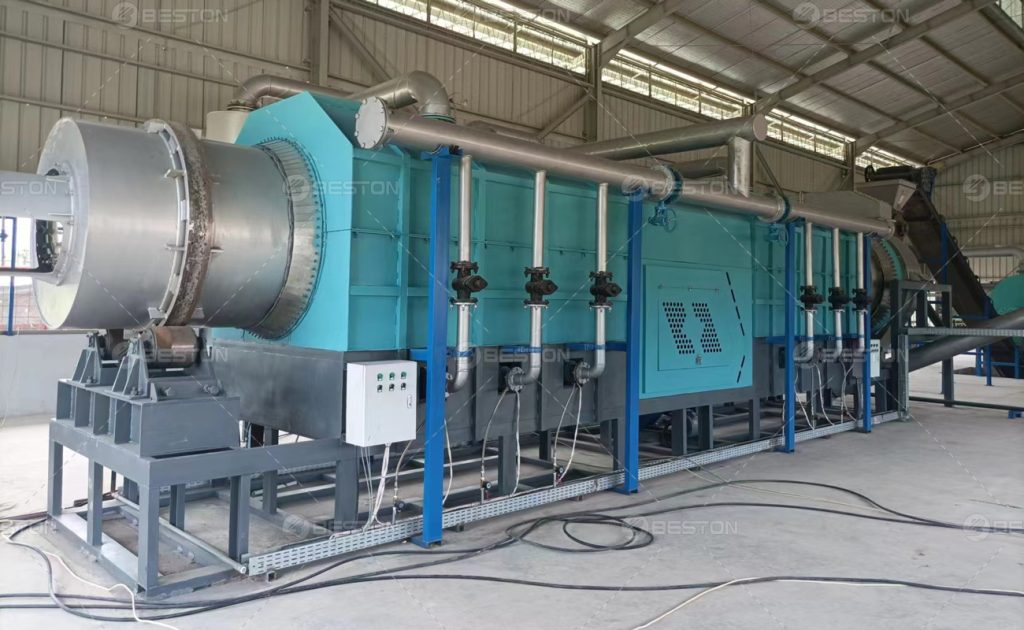
Combining drying and carbonization in a single chamber may appear convenient, but it often creates unnecessary energy losses. Biochar pyrolysis equipment is designed for thermal conversion, not large-scale water evaporation. When excessive moisture enters the furnace, the entire process becomes less efficient because valuable heat is consumed during the drying phase.
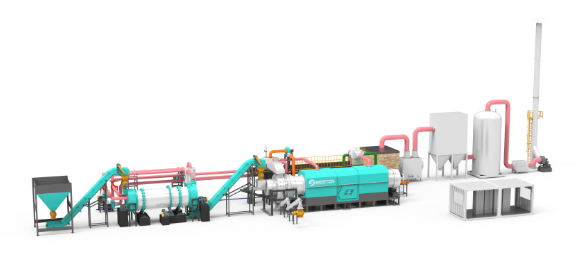
A separate drying process allows operators to optimize each stage independently. Industrial facilities can use dedicated drying machines or multi-stage drying systems to remove moisture before biomass enters the carbonization line. In high-capacity projects, dual-channel drying solutions can further improve heat exchange efficiency and shorten preparation time. This process separation improves production stability and allows the carbonization equipment to focus on generating high-quality carbon products.
Waste Heat Recovery: Creating a Closed Energy Loop
Energy efficiency in biomass recycling depends not only on reducing moisture but also on recovering available heat resources. During carbonization, high-temperature exhaust gas is generated as part of the thermal conversion process. Instead of releasing this heat into the atmosphere, advanced facilities can capture and redirect it to the drying stage.
Waste heat recovery systems allow carbonization plants to reuse thermal energy for moisture removal. The hot gases produced during operation can become a continuous heat source for drying equipment, reducing dependence on external fuels. This creates a more balanced energy cycle where heat generated from one process supports another process within the same production line.
Reducing OPEX Through Efficient Pretreatment Design
For biomass recycling investors, energy consumption is a major factor influencing project returns. Lower fuel demand means reduced operating expenses and improved long-term profitability. By installing efficient drying equipment, optimizing moisture control, and integrating waste heat recovery, industrial charcoal making equipment can significantly improve their overall economic performance.
Proper pretreatment design also helps extend equipment service life. Excess moisture can increase corrosion risks, create unstable combustion conditions, and increase maintenance requirements. A well-planned drying system protects downstream equipment while maintaining consistent production capacity.
- Reduce unnecessary fuel consumption by removing moisture before carbonization.
- Improve carbon yield and product consistency through stable thermal conditions.
- Recover high-temperature exhaust heat to reduce external energy requirements.
- Lower long-term operating costs through optimized process integration.
Future Trends in Biomass Carbonization Efficiency
As global industries focus on circular economy development and carbon reduction targets, efficient biomass pretreatment will become increasingly important. Future recycling facilities will place greater emphasis on integrated systems that combine drying, heat recovery, automation, and intelligent energy management.
For waste treatment investors and environmental engineering companies, reducing moisture before carbonization is a practical pathway to improving plant efficiency. A well-designed pretreatment process not only saves energy but also creates a stronger foundation for reliable, scalable biomass recycling operations. By turning waste heat into a valuable resource, modern facilities can achieve a more sustainable and cost-effective production model. More solution in Beston Group.